
How Local Weather Shapes Solar Energy Decisions in Bridgeport, Connecticut
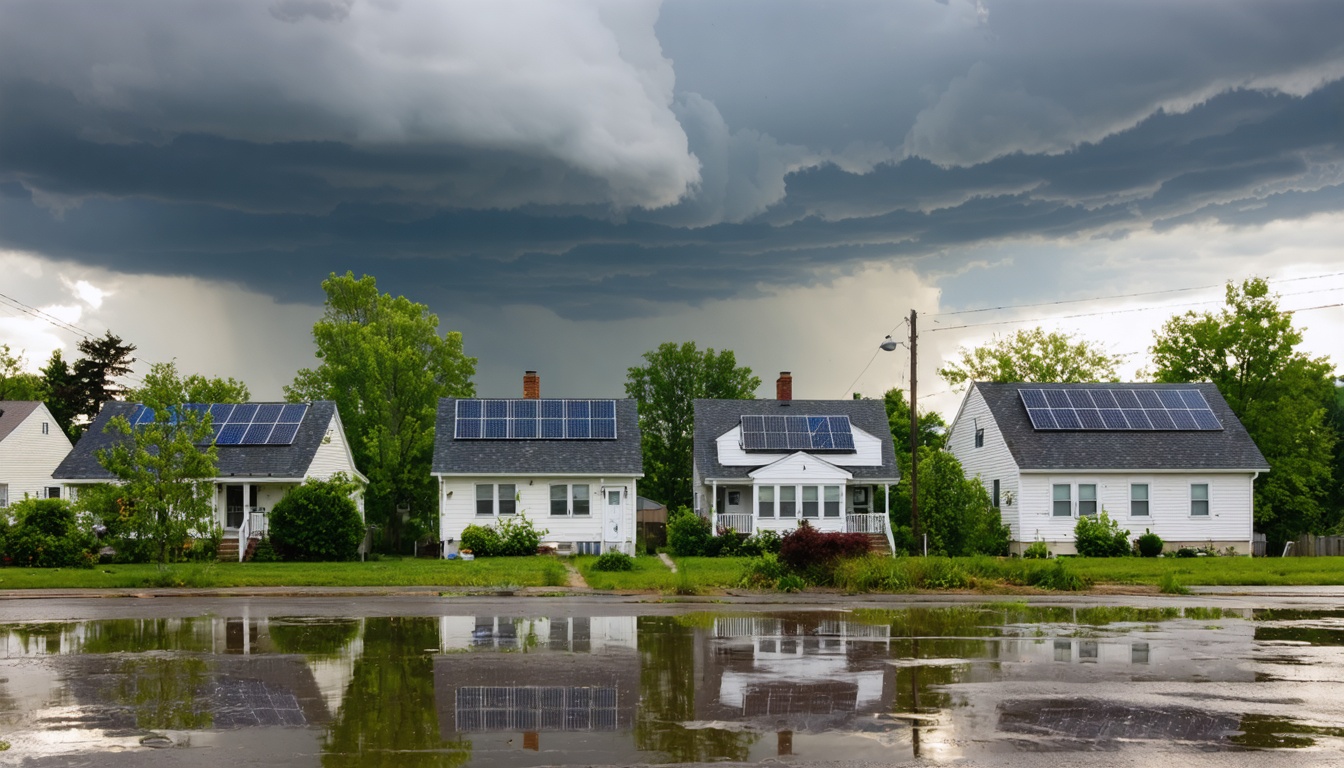
When evaluating the potential for solar energy in Bridgeport, Connecticut, it is important to consider the local weather conditions, as these significantly affect the efficiency and effectiveness of solar panels. Bridgeport experiences a humid continental climate, characterized by four distinct seasons, which impacts solar energy generation. During the summer months, the long days and increased sunlight can lead to higher solar energy production. However, the presence of humidity and occasional thunderstorms can temporarily reduce sunlight availability. Conversely, winter months may present challenges, such as shorter days and potential snow accumulation on panels, which can obstruct sunlight and decrease energy generation. Moreover, Bridgeport receives an average annual precipitation of around 50 inches, which may lead to cloudy days and reduce direct sunlight exposure. These weather patterns are essential for residents to understand, as they influence the anticipated energy output and overall efficiency of solar installations. In summary, while Bridgeport’s climate provides opportunities for solar energy generation, there are also limitations due to seasonal weather variations. Homeowners should carefully assess these factors to gauge the reliability and return on investment of solar energy systems in the area.
Annual Sunlight Availability and Seasonal Variations
The average annual sunlight availability in Bridgeport, Connecticut, is approximately 1,400 hours, making it a viable location for Solar Power in Bridgeport, CT. This metric is an important consideration when evaluating the potential for solar energy systems in residential settings.
It is necessary to recognize how sunlight exposure fluctuates throughout the year to make informed decisions regarding solar panel installation.
When placing solar panels, several factors should be addressed, including available land, open spaces, and potential shading from nearby trees or buildings. Areas in close proximity to agricultural land may offer viable opportunities for solar energy projects, potentially enhancing local energy systems.
Additionally, residential solar initiatives are typically in line with municipal energy objectives and clean energy goals. Engagement with local authorities and feedback from stakeholders, including the Executive Director and First Selectman, suggest that the utility provider can supply electricity at competitive rates.
This situation may support the shift toward renewable energy sources. Comprehensive assessment and strategic planning are essential for the effective integration of solar energy into the current energy infrastructure.
Impact of Cloud Cover and Precipitation Patterns
Bridgeport’s climate has a notable impact on the performance of solar energy systems, primarily due to frequent cloud cover and regular precipitation. The region has approximately 125 cloudy days each year and receives roughly 46 inches of rainfall annually.
These climate patterns warrant careful evaluation when assessing the feasibility of solar energy systems for residential use or specific projects. Research indicates that heavy cloud cover can reduce solar output by approximately 20%. This reduction can affect energy production capabilities, making it challenging to meet energy objectives and supply demand, as well as achieve anticipated reductions in greenhouse gas emissions.
In Connecticut, guidelines for solar installations prioritize open spaces instead of forested areas or farmland, influencing the locations where solar projects can be developed.
Additionally, recent initiatives by the state government, utility companies, and the Clean Energy program have introduced tax incentives aimed at encouraging residential solar projects. These financial incentives may provide added support for residents who are evaluating solar energy solutions.
Optimizing Solar Panel Placement for Local Conditions
Bridgeport receives over 1,400 usable sunlight hours annually, making it a viable location for solar panel installations. To enhance solar panel performance, various local factors must be evaluated. It is generally advisable to position solar panels on the south side of a property, as this orientation optimizes direct sunlight exposure throughout the day.
Assessment of the installation site is crucial. It is essential to ensure that the chosen location is unobstructed by nearby trees or structures that could cast shadows, as these obstructions can significantly reduce the efficiency of solar panels.
The angle of installation also plays a vital role; panels are most effective when inclined at an angle between 30 to 45 degrees, which is ideal for capturing sunlight in this geographical region.
Consulting professional installation services or seeking guidance from an Executive Director at a local energy center can provide valuable insights, particularly for differentiating the needs of residential versus commercial solar systems.
Additionally, there are financial incentives available, such as tax benefits and programs offered by the Clean Energy Council in Connecticut, which can help support the adoption of solar energy. These incentives may assist both homeowners and business owners in achieving their energy objectives while contributing to the broader application of renewable energy resources.
Weather-Driven Fluctuations in Energy Output
Bridgeport benefits from over 1,400 hours of usable sunlight each year; however, daily weather variations can significantly impact the energy production capacity of solar panels. Factors such as cloud cover, precipitation, and snowfall can lead to reductions in output by as much as 70% in residential solar systems.
The effectiveness of solar energy generation is also influenced by factors related to siting and installation. For instance, the proposed solar facility in East Windsor has been planned with consideration of its proximity to forests and farmland, which can affect energy capture due to geographical features.
Current energy policies highlight the importance of addressing weather-driven fluctuations in solar energy production as part of initiatives aimed at promoting clean energy and reducing greenhouse gas emissions.
Recognizing and managing these variations is crucial for ensuring reliable energy supply and achieving sustainability objectives, as noted by local governing bodies. A comprehensive understanding of the relationship between weather conditions and solar energy output is essential for the effective planning and execution of renewable energy systems.
Incentives and Investment Considerations for Bridgeport Residents
Bridgeport residents who are considering investments in solar energy should be aware of various financial incentives and support programs available to them. Despite the region's variable sunlight, Connecticut provides a property tax exemption for solar installations, which can help lower the overall expense of the system.
In addition, the federal solar tax credit permits homeowners to deduct a percentage of their installation costs from their federal tax obligations, potentially making solar energy more cost-effective.
The Energy Conservation Loan Program offers favorable financing options specifically designed for residential solar projects. This program can assist homeowners in managing initial costs associated with the switch to renewable energy sources.
Additionally, Connecticut’s net metering policies allow homeowners to sell any excess electricity generated by their solar panels back to the utility company, which can enhance financial returns and contribute to the state's Clean Energy objectives.
In assessing the viability of solar energy, homeowners should consider several factors, including the geographical location of their property, the potential for reducing greenhouse gas emissions, and the impact on local open spaces.
For further details regarding available services, project developments, and land use regulations, residents are advised to reach out to the appropriate local resources or the Center’s Executive Director.
Conclusion
When considering solar energy for your home in Bridgeport, Connecticut, it is important to evaluate local weather patterns and their impact on sunlight availability and system efficiency. Understanding the seasonal variations in sunlight can inform optimal panel placement and energy production expectations. Bridgeport experiences a range of weather conditions throughout the year, including cloudy and snowy periods, which can reduce solar energy generation. Therefore, it is advisable to assess the average solar radiation levels in different seasons, which can be found in local climatological data. Additionally, it is crucial to recognize potential weather-related risks such as heavy storms, hail, or snow accumulation that could affect solar panel performance. Regular maintenance and appropriate installation techniques can mitigate some of these risks. Utilizing local incentives and community resources may enhance the financial viability of your solar investment. State and federal programs can provide tax credits, rebates, or other financial benefits that could significantly reduce the overall cost of installation. In summary, a comprehensive understanding of Bridgeport’s weather patterns, along with strategic planning and utilization of available resources, can lead to informed decisions regarding solar energy implementation. This approach aims to maximize the benefits of renewable energy, regardless of the region's fluctuating climate conditions.