
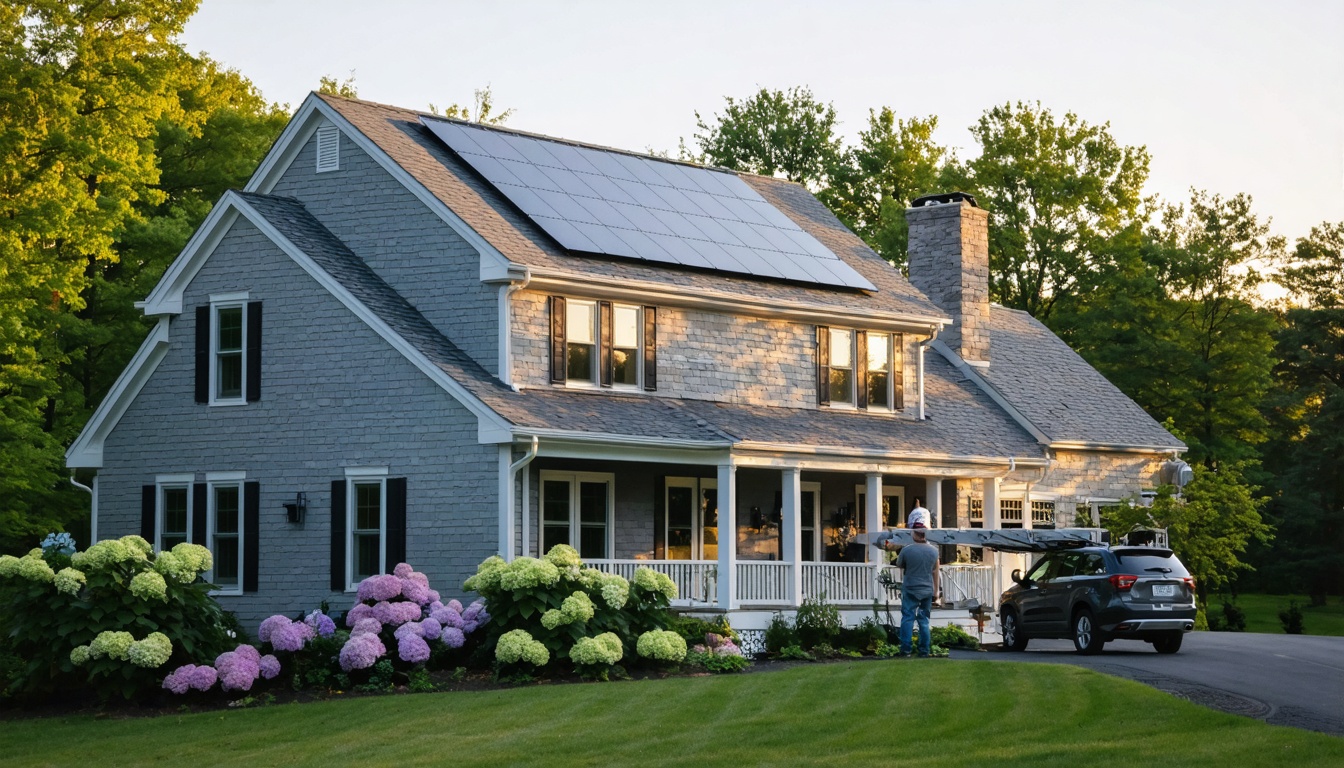
Solar Ready Roof Upgrades That Matter for Homes in Connecticut
Upgrading your roof to be solar ready in Connecticut involves several important considerations. First, it is essential to evaluate the existing condition of your roof. A thorough inspection can determine if repairs or reinforcements are needed to support future solar panel installation. Next, selecting durable materials is crucial. The longevity and performance of roofing materials can affect the efficiency and lifespan of solar panels. It is advisable to choose materials that can withstand local weather conditions and have a long service life. Additionally, understanding local permitting requirements is vital for compliance and successful installation. Connecticut has specific codes and guidelines that must be followed to ensure that solar installations meet state regulations. Furthermore, the state offers various incentives for solar energy adoption, which can contribute to cost savings over time. Staying informed about these programs may aid in making more financially beneficial decisions. In summary, when considering a solar ready roof upgrade in Connecticut, focus on the roof's condition, material selection, compliance with permitting standards, and awareness of available incentives to maximize the efficiency and value of your investment.
Assessing Roof Condition and Longevity
Assessing whether your roof is suitable for solar panel installation involves several important considerations regarding its age and condition. If your roof is nearing the end of its warranty period—generally around 15 years—or displays signs of significant deterioration, it is prudent to conduct a comprehensive site assessment.
The materials used in roofing significantly influence its capacity to support solar panels. Durable materials, such as asphalt shingles or metal roofing, are preferable as they can handle the additional weight and stress from solar mounting equipment.
Engaging a qualified professional for an evaluation is crucial; they can assess the roof’s structural integrity, ensure compliance with local permitting regulations, and analyze the roof's orientation and pitch to determine optimal sun exposure.
Regular inspections of the roof are advantageous for maintaining its overall condition. These inspections not only help in preserving the roof but also contribute to managing electricity costs and taking advantage of financial incentives related to solar energy.
By prioritizing these preliminary evaluations, homeowners can make informed decisions regarding solar installations while protecting their energy systems.
Selecting the Right Roofing Materials for Solar Integration
Material selection plays an essential role in upgrading roofs for solar integration in Connecticut. The most commonly used roofing material, asphalt shingles, is compatible with standard mounting hardware, which helps keep installation costs relatively low.
In contrast, standing seam metal roofs offer a significant advantage by permitting the direct attachment of solar panels, thereby eliminating the need for roof penetrations. This feature can enhance the durability of the solar installation and potentially improve warranty coverage.
Architectural shingles and flat roofs are alternative choices for solar installations; however, they require a thorough site assessment to ensure proper installation methods are employed.
Consulting with professionals, such as Solar Power System Specialists, during both the planning and installation phases can lead to more effective solar system integration, specifically designed to withstand prolonged sun exposure. This method aims to enhance energy efficiency, which may contribute to lower long-term energy costs and utility bills, providing property owners with greater control over their energy consumption.
Optimizing Roof Design, Pitch, and Orientation
Roof design plays a significant role in optimizing solar energy capture for residential properties in Connecticut. The optimal orientation for roofs to maximize sunlight exposure is to face south, with an inclination angle ranging between 15 and 40 degrees. This specific angle has been identified as effective in enhancing solar energy absorption.
When selecting roofing materials, whether opting for shingles or metal, it is advisable to consult with a qualified professional who can evaluate essential factors such as the roof's warranty, material durability, and structural integrity, particularly if the roof is approaching the end of its life cycle.
Planning for future energy demands is also critical. Homeowners should ensure that there is adequate space for a potential expansion of the solar energy system. Prompt attention to permitting processes, as well as the selection of appropriate mounting hardware and installation techniques, is necessary to comply with local regulations and to take advantage of financial incentives, such as tax credits and net metering programs.
In summary, thoughtful planning and careful implementation regarding roof design and installation are essential in enhancing the operational efficiency and effectiveness of solar energy systems for residential properties.
Evaluating Sunlight Exposure and Shading
Before initiating a solar installation in Connecticut, it is important to evaluate the sunlight exposure on your roof throughout the day. A comprehensive site assessment is necessary to understand various factors that influence sun exposure, including roofing materials, roof pitch, and the presence of nearby trees or buildings.
This assessment is crucial to ensure that the solar energy system is installed for optimal performance.
It is also essential to analyze potential shading impacts as well as the expected lifespan of roofing materials, whether they are shingles or metal.
The correct placement of mounting hardware is significant for the installation process. Each of these factors can influence energy production, cost savings, eligibility for tax credits, permitting requirements, and future utility expenses.
A collaborative approach to this evaluation can aid stakeholders in making informed decisions regarding energy management and utilizing available financial incentives systematically.
Ensuring Electrical Panel Compatibility
When preparing your Connecticut home for solar energy installation, it is important to evaluate the compatibility of your electrical panel with the system's requirements. Typically, electrical panels are rated at 200 amps, which is a significant factor in facilitating the integration of solar technology.
A detailed inspection of the panel for any indications of rust or physical damage is necessary, as such issues may impact its performance.
Additionally, it is crucial to ensure compatibility with essential components, such as microinverters. An electrical panel with the appropriate capacity can contribute to a more efficient installation process and may reduce overall installation costs while enhancing energy efficiency.
These improvements can also increase the likelihood of qualifying for financial incentives, tax credits, and Net Metering programs.
Moreover, upgrading an electrical panel that is approaching the end of its operational lifespan can enhance safety standards while providing the necessary support for various roofing configurations, including shingle, flat, or metal roofs.
Ensuring that your solar installation is based on a reliable electrical system is essential for effectively managing your energy needs.
Understanding Permitting and Local Regulations
Understanding the permitting and local regulations associated with solar upgrades in Connecticut is essential for homeowners. Adhering to these requirements ensures that solar installations, along with any related roofing and electrical work, comply with established codes.
The initial step involves obtaining the required permits. This process includes submitting thorough documentation, such as system design specifications, a list of materials, and a detailed site assessment.
It is also necessary for homeowners to confirm that their roofing structure—whether metal, flat, or shingled—can support the necessary mounting hardware for the solar panels.
In addition, registering the energy system for Net Metering is a mandatory step. This registration enables homeowners to offset their electricity costs, offering a more economical approach to energy usage.
Collaboration with an experienced team is advisable to navigate the regulatory framework effectively. This team can assist in ensuring correct installation and maintaining alignment with warranty requirements.
Addressing common inquiries regarding the installation process is also important for clarity.
For further assistance or specific questions about solar energy systems and compliance requirements, consulting a professional for guidance is recommended.
Maximizing Savings Through Financial Incentives and Rebates
Homeowners in Connecticut looking to mitigate the financial impact of solar roof upgrades can benefit from a range of financial incentives and rebates offered at both state and federal levels. Notably, the Federal Tax Credit enables homeowners to deduct 30% of the upfront installation costs from their federal taxes. This provision can result in substantial financial savings.
In addition to federal incentives, Connecticut's Green Bank provides upfront rebates that are based on the performance of energy systems installed. These rebates offer immediate financial assistance, making the transition to solar energy more cost-effective.
Another significant element of the financial framework is net metering. This policy allows homeowners to earn credits for any excess electricity that their solar systems generate and contribute to the grid. As a result, net metering can help reduce monthly utility expenses while also contributing to overall energy savings.
Investing in quality solar roofing materials, such as robust mounting hardware and metal shingles, may also have a positive impact on property value.
To maximize efficiency and ensure savings, it is advisable to work with professional roofing contractors during the installation process. They can provide expertise that enhances both the installation and performance of the solar energy system.
In summary, the combination of federal and state incentives, alongside strategic investments in solar technology and professional installation, offers various pathways for Connecticut homeowners to make solar roof upgrades more financially viable.
Conclusion
Upgrading to a solar-ready roof in Connecticut is a pragmatic approach for homeowners considering future solar energy installations. The process involves evaluating the current roof condition, selecting appropriate materials that are compatible with solar technology, and adhering to local building codes and regulations. Conducting a thorough assessment of the existing roof can identify any needed repairs or reinforcements to support solar panels, which can be crucial for longevity and performance. Additionally, the choice of materials plays a significant role; for instance, roofs with a slope or specific orientations can maximize solar exposure. Homeowners in Connecticut may also benefit from various financial incentives, such as state and federal tax credits, that can offset the costs of upgrading their roofs or installing solar panels down the line. It is important to design the roof with considerations for sunlight capture and energy efficiency, as these factors can significantly impact energy savings and the overall value of the property. Careful planning and execution of these upgrades not only facilitate future solar installations but also enhance the home's appeal in the real estate market, addressing the growing interest in renewable energy solutions. Ultimately, investing in a solar-ready roof aligns with state initiatives toward increasing sustainability and decreasing reliance on nonrenewable energy sources.